Best Gastrointestinal Oncosurgeon in Mahim, Mumbai
Best Gastrointestinal Oncosurgeon in Mahim, Mumbai
Gastrointestinal Cancer Treatment in Mahim
Gastrointestinal (GI) cancers are cancers that develop in the digestive tract, including the esophagus, stomach, small intestine, colon, rectum and anus. Related hepatopancreatobiliary (HPB) cancers affect the liver, gallbladder, bile ducts and pancreas. Best Gastrointestinal Oncosurgeon in Mahim, Mumbai
Dr. Abhirup Banerjee is a Gastrointestinal Oncosurgeon and HPB Surgeon in Mahim, Mumbai. He has 15 years of experience with specialised training in India and the UK. His surgical practice includes GI and HPB cancers involving the liver, pancreas, gallbladder, bile ducts, stomach, colon and rectum. He is associated with P. D. Hinduja National Hospital and Medical Research Centre, Mahim.
About Dr. Abhirup Banerjee
Dr. Abhirup Banerjee is a Gastrointestinal Oncosurgeon and HPB Surgeon in Mahim, Mumbai, with 15 years of experience. He has received specialised training in India and the UK and manages cancers involving the liver, pancreas, gallbladder, bile ducts, stomach, colon and rectum. His surgical practice includes open, laparoscopic and robotic procedures when clinically appropriate. He is associated with P. D. Hinduja National Hospital and Medical Research Centre, Mahim.
What Are Gastrointestinal Cancers?
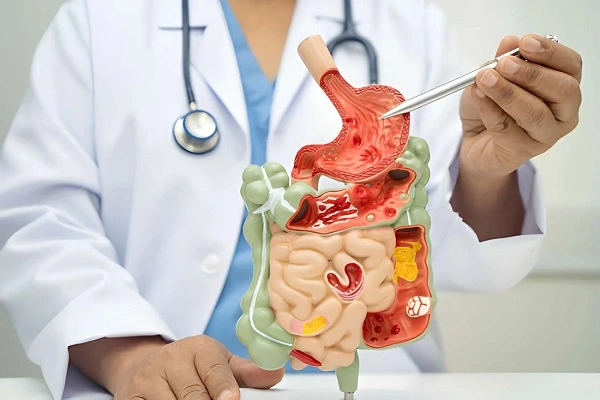
The gastrointestinal tract is the digestive system responsible for processing food, absorbing nutrients and eliminating waste. It includes the esophagus, stomach, small intestine, colon, rectum and anus. The liver, gallbladder, bile ducts and pancreas are related organs involved in digestion and are commonly considered within the broader hepatopancreatobiliary (HPB) surgical field.read More Reviews
Types of GI and HPB Cancers Treated
Liver Cancer - Liver cancer may originate in the liver or spread from another organ. Treatment depends on factors such as tumour size, location, liver function and the extent of disease. Selected patients may be considered for liver resection or other cancer-directed treatments.
Gallbladder cancer - Gallbladder cancer may be detected during investigations or after gallbladder surgery.Treatment may involve removal of the gallbladder and, in selected cases, nearby liver tissue or other surrounding structures.
Bile duct cancer - Bile duct cancer (cholangiocarcinoma) affects the bile ducts. Surgery depends on the tumour's location and may involve bile duct, liver or pancreatic surgery.
Pancreatic cancer - Pancreatic cancer treatment depends on tumour location and stage. Selected patients may require a Whipple procedure or distal pancreatectomy.
Stomach cancer - Stomach cancer may require partial or total gastrectomy depending on the tumour's location and extent, along with appropriate lymph node removal.
Colorectal Cancer – Surgery may involve colectomy or rectal cancer surgery, depending on the tumour location and stage. In selected cases, sphincter-preserving surgery may be possible, while a temporary or permanent stoma may be required based on the clinical situation.
Esophageal Cancer - Esophageal cancer affects the food pipe and may cause difficulty swallowing. Treatment can include surgery, chemotherapy or radiation therapy depending on the cancer stage and location.
Symptoms
Persistent abdominal pain or discomfort
Difficulty or pain while swallowing
Recurrent indigestion or acidity
Persistent vomiting
Unexplained weight loss
Reduced appetite
Blood in the stool
Black or tarry stools
Persistent change in bowel habits
Yellowing of the skin or eyes
Abdominal swelling or a feeling of fullness
Persistent fatigue or weakness
Unexplained anaemia
Risk Factors for Gastrointestinal Cancers
Increasing age
Tobacco use
Excessive alcohol consumption
Obesity
Certain inherited genetic conditions
Family history of gastrointestinal cancers
Chronic liver disease
Hepatitis B or hepatitis C infection
Long-standing inflammatory bowel disease
Certain dietary and lifestyle factors
Previous gastrointestinal conditions
GI Cancer Treatment
Liver Cancer – Hepatocellular carcinoma and metastatic liver tumors.
Pancreatic Cancer – Including surgery for head, body, and tail of pancreas tumors.
Gallbladder Cancer – Early and advanced stage surgical treatment.
Bile Duct Cancer (Cholangiocarcinoma) - Treatment depends on the location and extent of the tumour. Selected patients may require bile duct resection along with removal of part of the liver or pancreas when necessary for appropriate cancer clearance.
Stomach Cancer – Gastrectomy procedures for localised and advanced disease.
Small Intestine Cancer – Surgical removal of tumors.
Colorectal Cancer – Colectomy and rectal cancer surgery with sphincter preservation whenever possible. A stoma (colostomy or ileostomy) may be indicated sometimes.
When Should You Consult a Gastrointestinal Oncosurgeon?
A consultation with a gastrointestinal oncosurgeon may be recommended when investigations identify a tumour or suspicious lesion in the digestive tract, liver, gallbladder, bile ducts or pancreas. Patients may be referred after an endoscopy, colonoscopy, CT, MRI, PET-CT or biopsy for specialist assessment.
Early surgical evaluation helps determine whether surgery is appropriate and whether other treatments, such as chemotherapy or radiation therapy, may be required before or after surgery.
Why Choose Dr. Abhirup Banerjee for GI Cancer Surgery?
Dr. Abhirup Banerjee has 15 years of experience in GI and HPB surgery, with specialised training at renowned centres in India and the UK. His practice includes complex cancer surgery involving the liver, pancreas, gallbladder, bile ducts, stomach and colorectal region. Open, laparoscopic or robotic techniques may be considered according to the patient's diagnosis and surgical requirements.Best Gallbladder Stone Surgeon in Mahim, Mumbai
Conclusion
Gastrointestinal cancer treatment requires careful evaluation of the cancer type, stage, tumour location and the patient's overall health. Dr. Abhirup Banerjee is a Gastrointestinal Oncosurgeon and HPB Surgeon in Mahim, Mumbai, with experience in complex cancer surgery involving the liver, pancreas, gallbladder, bile ducts, stomach and colorectal region.
If you need a GI cancer consult or surgical assessment, call +91-9004345437.
Frequently Asked Questions (FAQs)
Q.1. Who is a Gastrointestinal Oncosurgeon?
Ans - A gastrointestinal oncosurgeon is a surgeon with specialised training in the surgical treatment of cancers affecting the digestive system and related organs such as the liver, pancreas, gallbladder and bile ducts.
Q.2. Who is the best Gastrointestinal Oncosurgeon in Mahim, Mumbai?
Ans- Dr. Abhirup Banerjee is a Gastrointestinal Oncosurgeon and HPB surgeon in Mahim with specialised training and experience in GI and HPB cancer surgery.
Q.3. Which cancers are treated by a GI Oncosurgeon?
Ans - GI oncosurgeons may surgically manage cancers of the esophagus, stomach, small intestine, colon, rectum, liver, gallbladder, bile ducts and pancreas.
Q.4. Does every GI cancer require surgery?
Ans- No. Treatment depends on the cancer type and stage. Some patients may require surgery, while others may receive chemotherapy, radiation therapy, targeted treatment or a combination of treatments.
Q.5. What is HPB cancer surgery?
Ans - HPB cancer surgery refers to operations performed for cancers involving the hepato-pancreato-biliary system, which includes the liver, pancreas, gallbladder and bile ducts.
Q.6. What is a Whipple procedure?
Ans - A Whipple procedure is a major operation used for selected tumours involving the head of the pancreas and certain nearby structures. It involves removing affected organs or portions of organs followed by reconstruction of the digestive system.
Q.7. Can GI cancer surgery be performed laparoscopically?
Ans- Selected gastrointestinal cancer operations can be performed laparoscopically or robotically. The appropriate surgical approach depends on the tumour and the patient's individual circumstances.
Q.8. What tests are used to diagnose GI cancer?
Ans - Depending on the suspected cancer, investigations may include endoscopy, colonoscopy, CT, MRI, PET-CT, biopsy and blood tests.
Q.9. What symptoms can indicate gastrointestinal cancer?
Ans - Possible warning symptoms include persistent abdominal pain, unexplained weight loss, difficulty swallowing, blood in the stool, persistent changes in bowel habits, jaundice, vomiting or loss of appetite. These symptoms can also occur in non-cancerous conditions.
Q.10. Where can I consult a GI Oncosurgeon in Mahim?
Ans - You can consult Dr. Abhirup Banerjee for GI and HPB surgical evaluation in Mahim, Mumbai. Call +91-9004345437 to discuss an appointment.
Book a Consultation for GI Cancer Surgery
If you have been diagnosed with gastrointestinal cancer or have been advised to undergo further evaluation, consult a specialist for appropriate assessment and treatment planning. Dr. Abhirup Banerjee provides GI and HPB cancer surgical consultation in Mahim, Mumbai.
Call +91-9004345437 to schedule a consultation.