Best Laparoscopic Surgery Specialist in Mahim, Mumbai
Best Laparoscopic Surgery Specialist in Mahim, Mumbai
Laparoscopic Surgery Specialist in Mahim, with Dr. Abhirup Banerjee
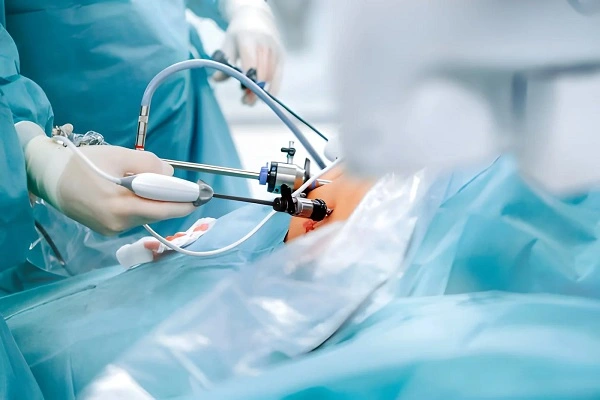
Laparoscopic surgery is a minimally invasive surgical technique performed through small incisions using a laparoscope and specialised instruments. It may be used for selected gastrointestinal, colorectal, gallbladder, hernia and HPB procedures, depending on the diagnosis and patient's clinical condition. For selected gastrointestinal cancer procedures, laparoscopic surgery may be considered after detailed assessment and staging. Learn more about GI Surgery in Mahim.
Dr. Abhirup Banerjee is a Gastrointestinal Surgeon, GI Oncosurgeon and HPB Surgeon based in Mahim, with more than 15 years of experience, plus specialised training across India and the UK. He does surgical assessment and helps with treatment planning for chosen gastrointestinal, hepatobiliary and pancreatic issues.
If you are looking for the Best Laparoscopic Surgery Specialist in Mahim, Dr. Abhirup Banerjee provides individualised evaluation and treatment planning to determine whether laparoscopic or robotic surgery is appropriate for your condition.
What is Laparoscopic Surgery?
Laparoscopic surgery is a minimally invasive surgical approach performed through small incisions using a laparoscope and specialised instruments. For selected procedures, it may offer smaller surgical wounds and less post-operative discomfort compared with open surgery.
Dr. Abhirup Banerjee provides laparoscopic surgical consultation in Mahim for suitable gastrointestinal and HPB conditions. If you are looking for the Best Laparoscopic Surgery Specialist in Mahim, he can provide individualised evaluation and treatment planning.Meet Our Doctor
Conditions Treated with Laparoscopic & Robotic Surgery
Laparoscopic and robotic surgery may be used for selected GI and HPB conditions, including:
Gallbladder removal (Cholecystectomy)
Appendectomy
Colorectal surgeries
Stomach and intestinal surgeries
HPB surgeries – Liver, Pancreas and Bile Duct
Selected GI and HPB cancer surgeries
Types of Laparoscopic Surgery
Laparoscopic Cholecystectomy - Laparoscopic cholecystectomy is commonly performed for symptomatic gallstones and selected gallbladder conditions. The gallbladder is removed through small abdominal incisions using a laparoscope and specialised surgical instruments.
Laparoscopic Hernia Repair - Laparoscopic hernia repair is a minimally invasive approach used for selected types of hernias. The appropriate technique depends on the type, location and size of the hernia and the patient's clinical condition.
Laparoscopic Gastrointestinal Surgery - Selected surgeries involving the stomach, small intestine or other parts of the gastrointestinal tract may be performed laparoscopically. The surgical approach is determined after reviewing the diagnosis, imaging, endoscopy and other relevant investigations.
Laparoscopic Colorectal Surgery - Selected colon and rectal procedures may be performed using laparoscopic techniques. Depending on the condition, surgery may involve removing the affected portion of the bowel and reconnecting the remaining sections when clinically appropriate.
Laparoscopic Surgery vs Open Surgery
Laparoscopic surgery is performed through small incisions using a camera and specialised instruments, while open surgery generally requires a larger incision to access the surgical area directly. The choice between laparoscopic and open surgery depends on the condition, procedure, tumour characteristics where applicable, previous surgeries and the patient's overall health.
Dr. Abhirup Banerjee evaluates each case individually and recommends the surgical approach based on the clinical requirements.
Treatment Process of Laparoscopic Surgery in Mahim
Preoperative Assessment: Medical history, examination and required investigations are reviewed before surgery.
Procedure: Small incisions are made to insert a laparoscope and specialised surgical instruments.
Surgical Treatment: The appropriate laparoscopic or robotic procedure is performed based on the condition and surgical requirements.
Recovery: Patients are monitored after surgery, with recovery and follow-up planned according to the procedure performed.
Laparoscopic HPB Surgery
Selected liver, pancreas and bile duct procedures may be performed using minimally invasive techniques. The suitability of laparoscopic or robotic surgery depends on the diagnosis, surgical complexity, tumour characteristics where applicable, imaging findings and the patient's overall health. Dr. Abhirup Banerjee evaluates each case individually before recommending the appropriate surgical approach.
Preparing for Laparoscopic Surgery
Medications: Your surgeon may advise adjustments to certain medicines, including blood thinners, before surgery.
Fasting: You may be asked to avoid food and fluids for a specified period before the procedure.
Investigations: Blood tests, imaging or other investigations may be recommended based on the planned surgery.
Bowel Preparation: Bowel preparation may be required for selected colorectal procedures.
Potential Benefits of Laparoscopic Surgery
Smaller incisions: Laparoscopic procedures generally use smaller incisions than conventional open surgery.
Post-operative discomfort: Some patients may experience less discomfort compared with certain open procedures.
Recovery: Recovery time varies depending on the procedure and individual health factors.
Hospital stay: Some laparoscopic procedures may involve a shorter hospital stay.
Why Choose Dr. Abhirup Banerjee as the Best Laparoscopic Surgery Specialist in Mahim?
Dr. Abhirup Banerjee has more than 15 years of experience in GI and HPB surgery, with specialised training in India and the UK. He performs selected laparoscopic and robotic procedures for gastrointestinal, hepatobiliary, pancreatic and cancer-related conditions when clinically appropriate. He is associated with P. D. Hinduja National Hospital and Medical Research Centre, Mahim. To consult the Best Laparoscopic Surgery Specialist in Mahim, call +91-9004345437.
Conclusion
If you are looking for the Best Laparoscopic Surgery Specialist in Mahim, Mumbai, Dr. Abhirup Banerjee provides consultation for selected GI, HPB and laparoscopic surgical conditions. Patients can bring previous reports and medical records for detailed evaluation and treatment planning.
For consultation and appointments, call +91-9004345437.
Frequently Asked Questions (FAQs)
Q.1. What is laparoscopic surgery?
Ans - Laparoscopic surgery is a minimally invasive technique performed through small incisions using a camera and specialised surgical instruments.
Q.2. Is laparoscopic surgery suitable for every patient?
Ans - No. Suitability depends on the condition, complexity of the procedure, previous surgeries and the patient's overall health.
Q.3. What conditions can be treated with laparoscopic surgery?
Ans - Depending on the diagnosis, laparoscopic surgery may be used for selected gallbladder, hernia, gastrointestinal, colorectal and GI cancer conditions.
Q.4. Can gallstones be treated with laparoscopic surgery?
Ans - Yes. Laparoscopic cholecystectomy is commonly used for symptomatic gallstones and selected gallbladder conditions.
Q.5. Can GI cancer surgery be performed laparoscopically?
Ans - Selected GI cancer procedures may be performed laparoscopically. The approach depends on the cancer type, stage, location and individual clinical factors.
Q.6. What is the difference between laparoscopic and open surgery?
Ans - Laparoscopic surgery uses small incisions and a camera, while open surgery uses a larger incision. The appropriate approach depends on the procedure and patient's condition.
Q.7. Is robotic surgery the same as laparoscopic surgery?
Ans - No. Both are minimally invasive techniques, but robotic surgery uses a specialised robotic system controlled by the surgeon.
Q.8. How long does recovery take after laparoscopic surgery?
Ans - Recovery varies according to the type and complexity of surgery and the patient's overall health. The surgeon provides individual postoperative guidance.
Q.9. How do I choose the Best Laparoscopic Surgery Specialist in Mahim?
Ans - Consider the surgeon's qualifications, experience, area of specialisation and experience with the specific procedure. A consultation can help determine the appropriate surgical approach.
Q.10. Where can I consult Dr. Abhirup Banerjee?
Ans - Dr. Abhirup Banerjee provides GI, GI oncology and HPB surgical consultation in Mahim, Mumbai. Contact the clinic for appointment information.
Book a Consultation with the Best Laparoscopic Surgery Specialist in Mahim
If you have been advised to undergo laparoscopic surgery, consult a specialist for proper evaluation and treatment planning. Dr. Abhirup Banerjee provides laparoscopic, robotic, GI and HPB surgical consultation in Mahim, Mumbai.
Call +91-9004345437 to schedule a consultation.